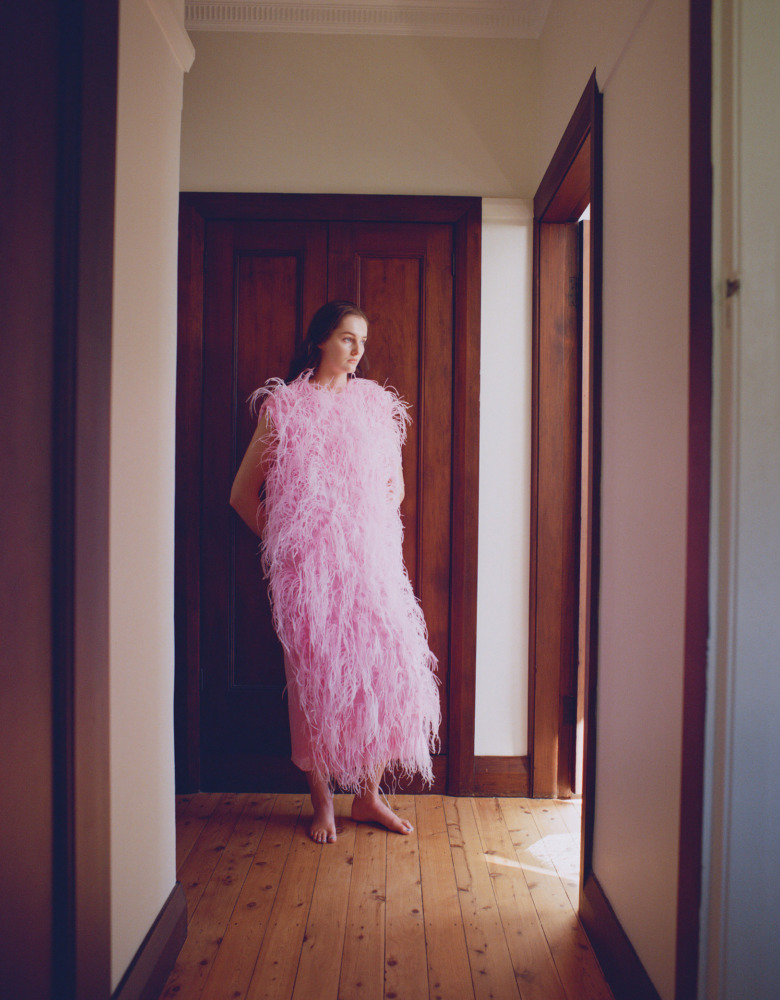
Scanlan Theodore dress
DAVIDA MCKENZIE BY BRITT MURPHY AND NICHHIA WIPPELL
PHOTOGRAPHY: Britt Murphy
STYLING: Nichhia Wippell
HAIR: Graeme Cumming @ Vivien’s Creative
MAKEUP: Cherry Cheung @ Vivien’s Creative
WORDS: Bianca Farmakis
LOCATION: Q Station
PRODUCTION: Artist Group
The term ‘child actor’ has never really resonated with Davida McKenzie, even if her Wellington school days were occasionally interrupted by the chance to work with filmmaking greats like Jane Campion, Vincent Ward and Luc Besson. Growing up in one of New Zealand’s most prominent performing arts families – the women of which have been anointed dames for their contributions – the 19-year-old rising star skirted the typical pressure akin to multi-generational artistic expectation to simply have fun and make pocket money (back then, she wasn’t even sure if the family business was for her).
Things changed after her 2021 role in Camille Griffin’s dark comedy Silent Night, opposite Keira Knightley and Lily-Rose Depp, earned her the label “scene-stealing” in the press. Fast-forward to the present,and she’s in two of the most anticipated releases of the year. First, there’s Leviticus, a queer supernatural horror from Australian debut writer-director Adrian Chiarella. Generating extraordinary buzz since its Sundance premiere, it reportedly pocketed a seven-figure deal from production powerhouse Neon and has drawn comparisons to horror hits Obsession and Backrooms. The antipodean film is poised to be one of the year’s biggest breakouts, with McKenzie’s name posted up alongside Talk to Me’s Joe Bird and Mia Wasikowska.
Then there’s Klara and the Sun, an adaptation of Kazuo Ishiguro’s beloved novel, where McKenzie comes under the direction of Taika Waititi and the script of Mad Men’s Dahvi Waller. Also starring Jenna Ortega and Amy Adams, the film has been dubbed Waititi’s most dramatic production yet – although, as McKenzie admits, it has its moments of signature Waititi fun, too.
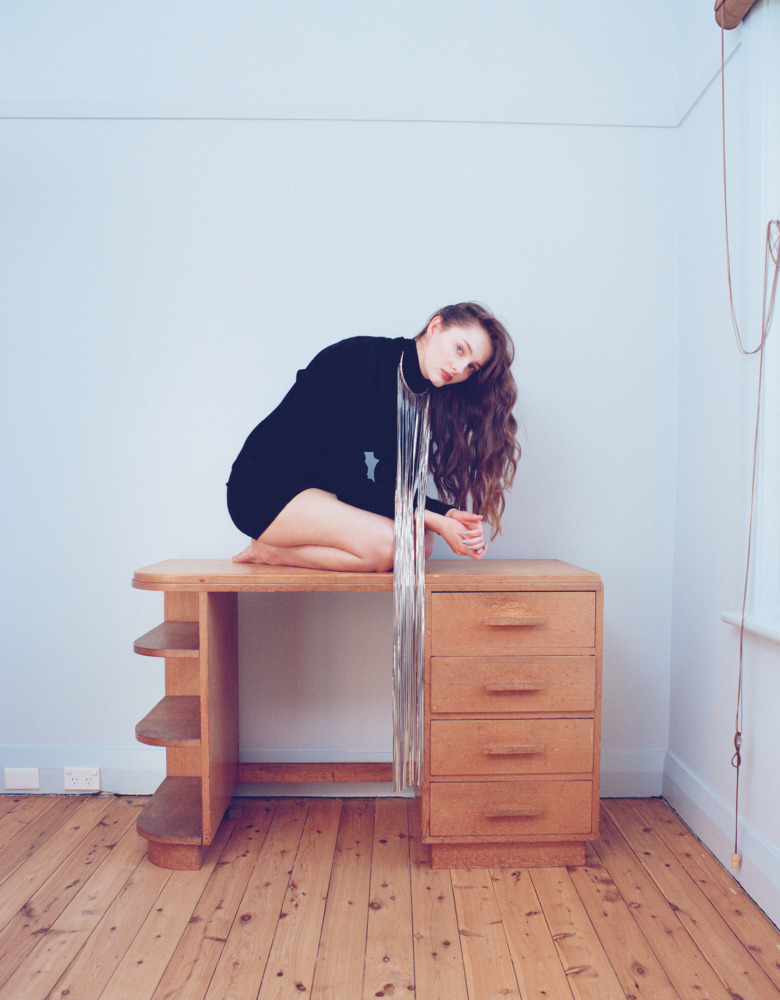
Scanlan Theodore dress; Sportmax necklace
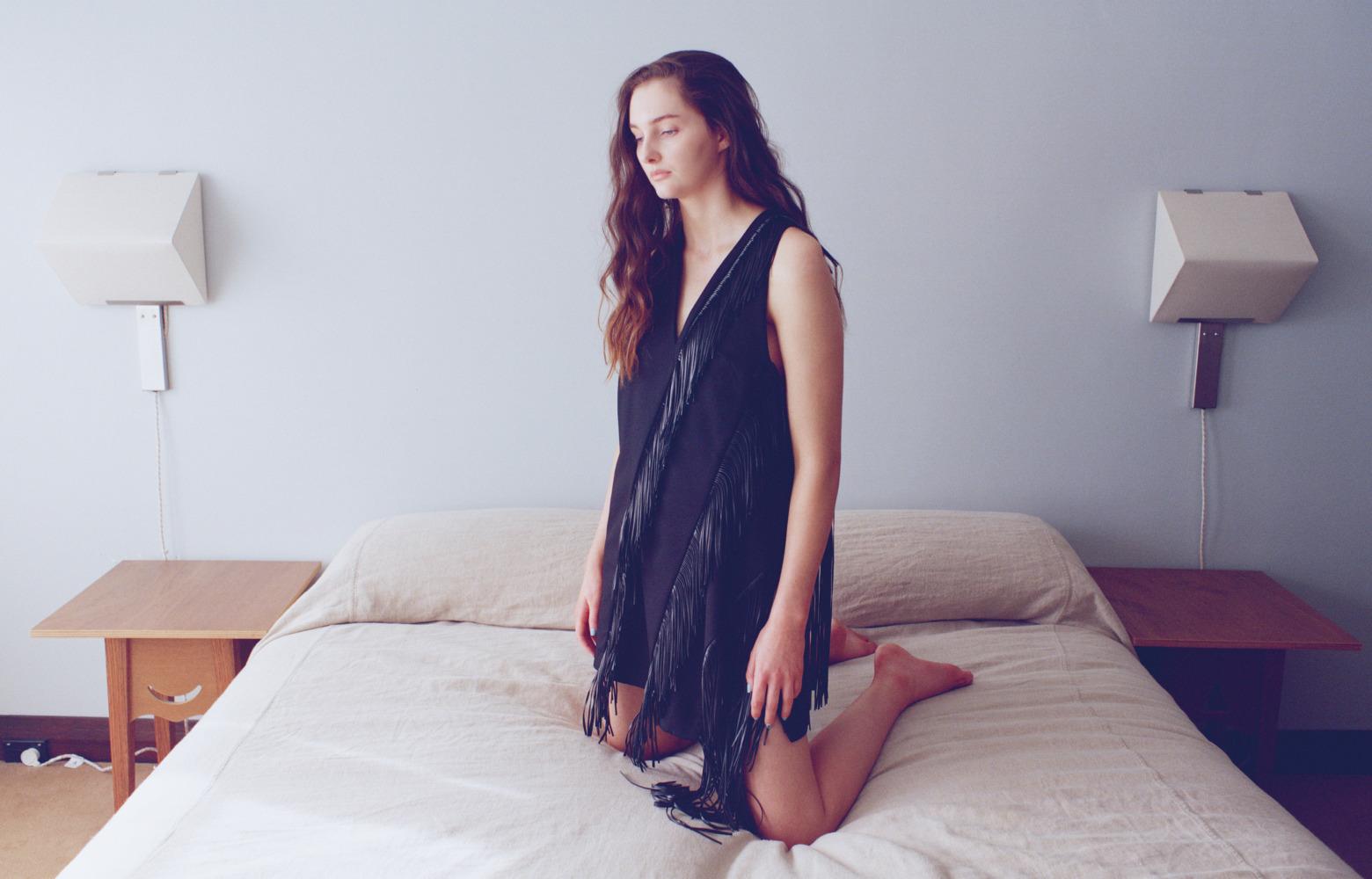
Sportmax dress
SIDE-NOTE: You finished filming Leviticus more than a year ago and now the film has taken over Sundance and been picked up by Neon. How does it feel?
DAVIDA McKENZIE: It all happened so fast. I don’t even think it was fully edited when they submitted it to Sundance, but that just shows how great of a film it is. There’s really no time to process, but it’s going better than anyone could have hoped for. I heard someone refer to it as “Haunted Rivalry” and I think that’s been the biggest compliment so far.
SN: And possibly the best summary of a dark, queer romance.
DM: Definitely!
SN: So right now you’re in a world of supernatural horror. But you also started so young, and were surrounded by family that dazzled the stage and screen – did you ever feel an urge to rebel against it?
DM: It’s interesting, because my mum was an actor when she was my age and slowly transitioned into coaching and dad was a writer and director as well. He was kind of the rebel, really – he grew up in a very religious family, so he had to go against that to join the arts. But for me and my siblings, we just grew up in it. Our parents let us audition for roles for pocket money, like an ad or a short film every now and then.
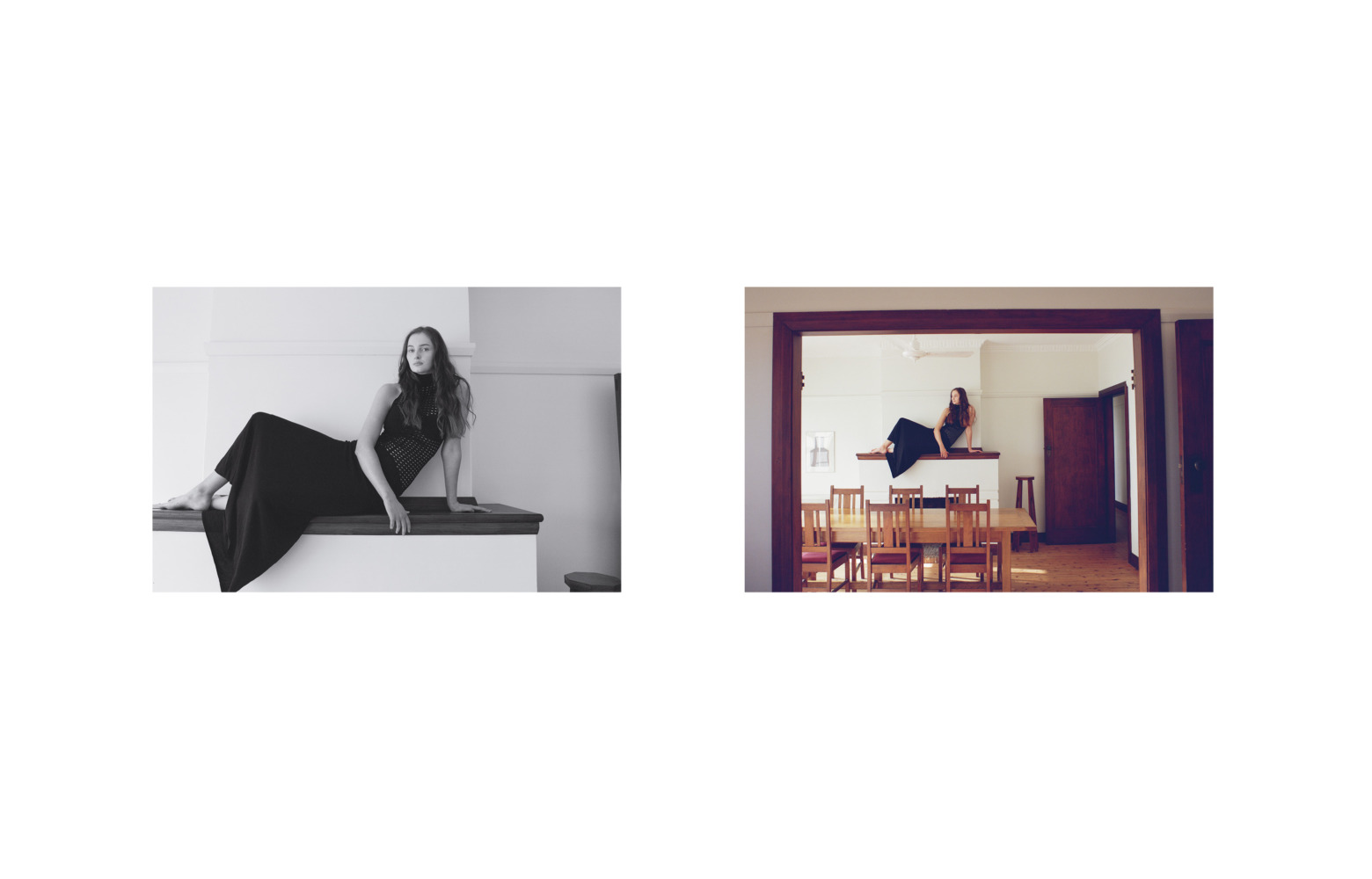
Misha dress
SN: It’s a better first job than most!
DM: For sure. My brother is a journalist now, so he wasn’t into the acting world, but my sister [Thomasin McKenzie] and I continued on with it. I think it was interesting because my sister kind of found this crazy little wormhole into the American industry as the girl from Wellington, so I started to get a lot more questions of whether I actually wanted to pursue it as I got older. I’ve definitely asked myself that question throughout the years, especially when I’m having tough times with auditions.
SN: When did you find the answer?
DM: Every time I’m on set. I think, “This is the environment I want to be in.” My parents never said you have to do this; they kind of just fostered all of my interests growing up. I started acting in short films whenI was eight. I got a feature film in 2022 called The Speedway Murders and it was set in this ’70s-era, burger-type joint that was like stepping into a time machine. I got obsessed – especially with production design. Growing up, I built dollhouses all the time – my favourite thing was arranging the rooms – so that’s always what I look for when I go on a set. It just transports you and I think it’s such a fantastical feeling that grounds you into your character. I can’t see myself getting over it.
SN: It’s interesting you mention production design, because it’s quite challenged at the moment. A lot of studios choose visualeffects and CGI to avoid the cost of building worlds from scratch. How important, particularly as a young actor, do you think the survival of those traditional film crafts are?
DM: So important. Your environment feeds so deeply into your performance. You know, I watched Backrooms recently and that’s crazy – they built like 30,000 square feet of that set. The actors got lost in there. It changed their performance, knowing that there’s something around the corner; it’s not a dead-end set. It’s scary, you know? So I think it’s so important to keep those crafts on set alive – it betters everyone’s performance in the long run.
SN: And you’re no stranger to the impact an environment canhave on actors, given you’re from one of the most naturally beautiful sets in the world.
DM: New Zealand is the best – The Lord of the Rings proved that [laughs].
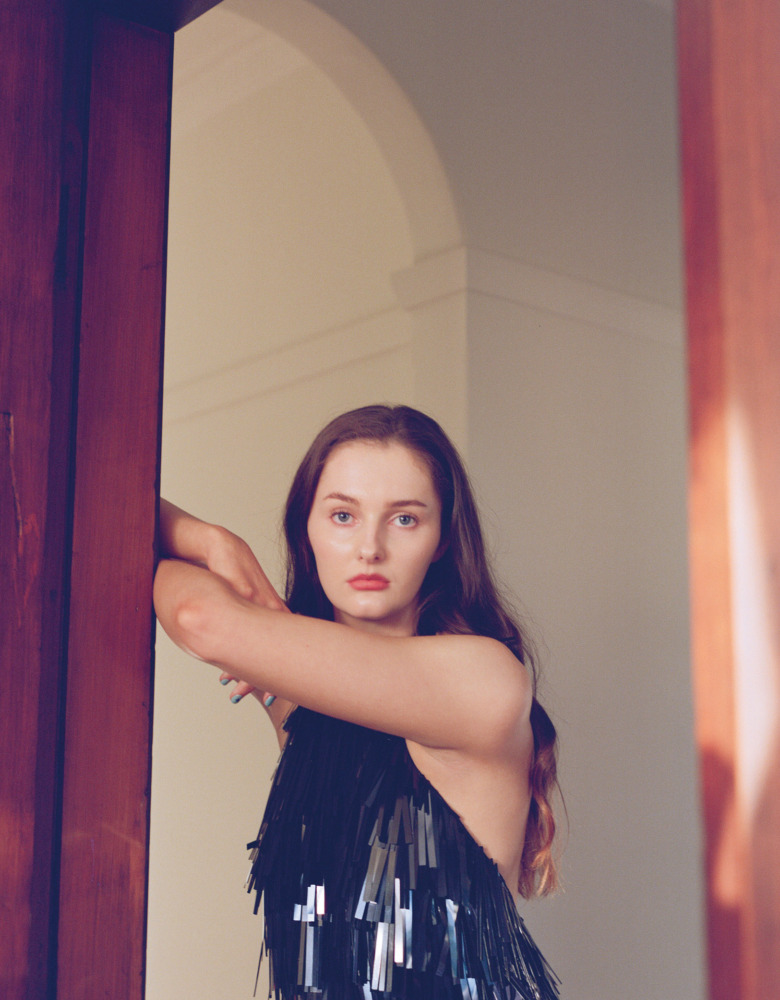
Albus Lumen dress
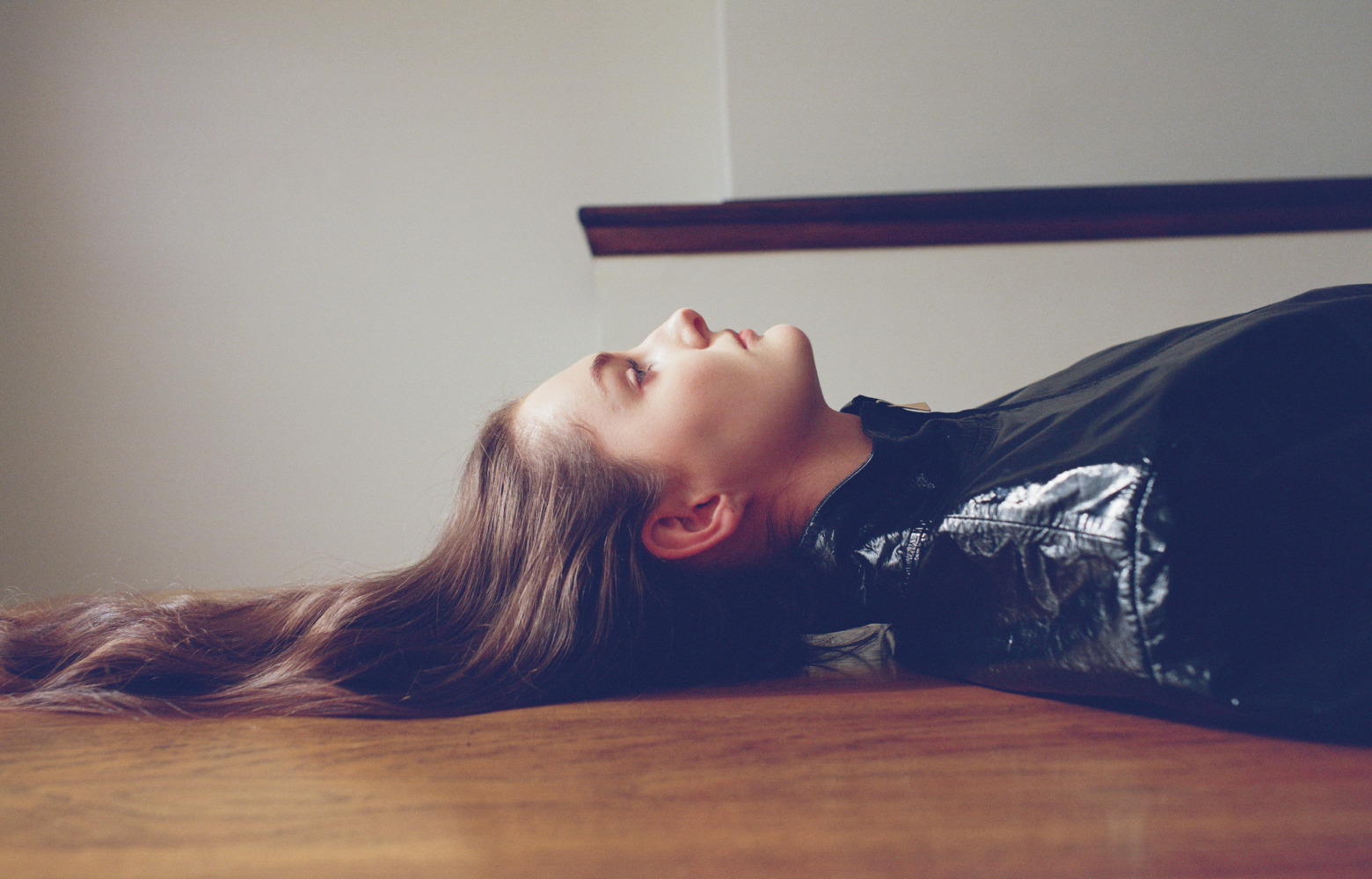
Scanlan Theodore jacket

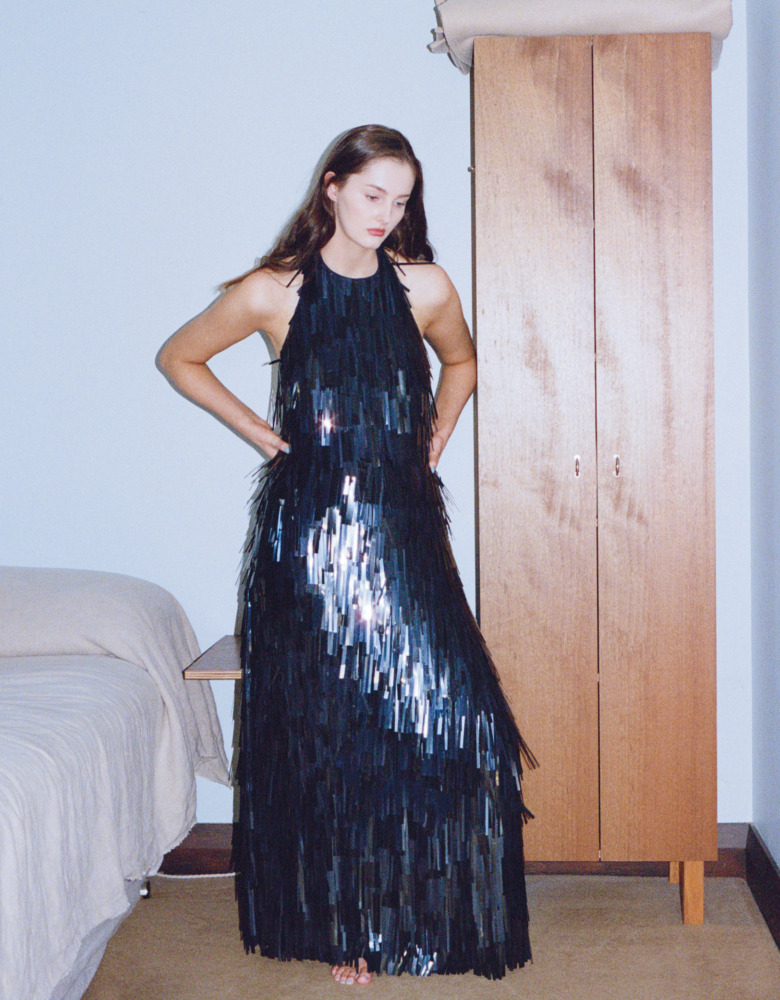
Albus Lumen dress
SN: A Minecraft Movie injected more than NZD$150 million into the economy and had almost a 90 per cent-strong local crew; James Cameron’s Avatar series has a near 20-year partnership withthe country; even Letterboxd, which has single-handedly gotten people to go back to the cinema, is from New Zealand. How does that feel seeing your home country being recognised as a breeding ground for incredible talent?
DM: New Zealand actors just have something special aboutt hem. It’s so nice to see more Hollywood productions coming, using our crews and landscapes, but I want them to also use the actors from here. They do a lot of filming in New Zealand, but they’re not casting New Zealanders, which I think is annoying for all of us.
SN: You said there’s something special about Kiwis. What do you think it is?
DM: Maybe it’s the advantage of being further away from the rest of the world. We’re very far away from Hollywood and that gives us akind of groundedness in our performances, I think.
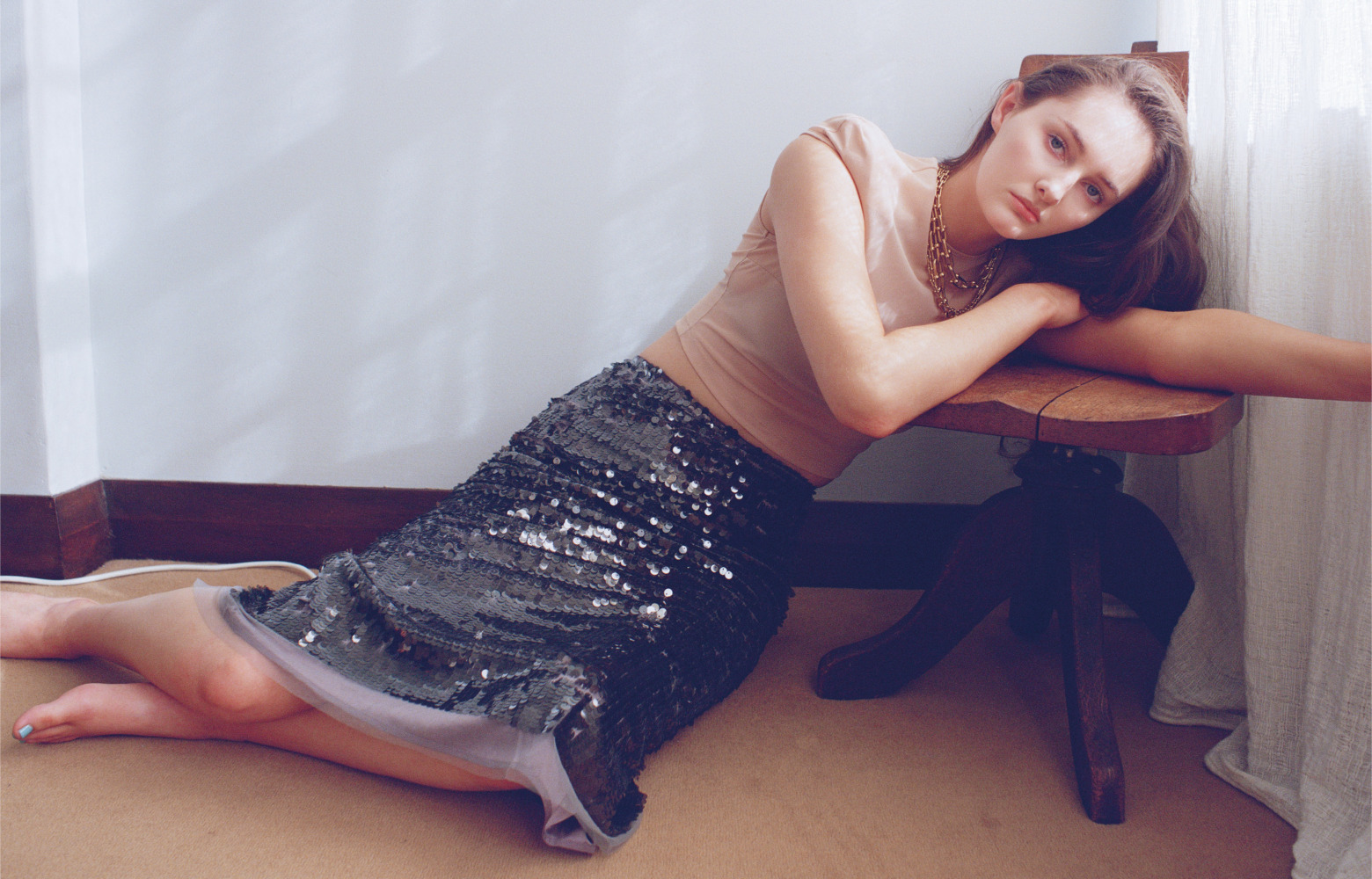
Scanlan Theodore top and skirt; Tiffany & Co. necklaces
SN: And you’ve taken that talent worldwide. Tell us about Silent Night, because that was your first international project, wasn’t it?
DM: From memory, I was only 13 when we filmed it, which was crazy in itself. I had to take my parents with me, obviously, but then COVID hit – we were one of the first productions to be affected, so it was quite disruptive. We couldn’t even finish filming. My dad booked a flight for us immediately because he thought we wouldn’t be able to get home. And we’re lucky he did, otherwise we would have been stuck, not working, in the UK for two years! It was hectic… But I did also have the best time.
SN: Of course, and it opened up a lot to you. You’ve now worked with some incredible directors – Jane Campion, Luc Besson, Taika Waititi… Not to pick favourites, but is there one that broughtout a particularly strong performance in you?
DM: Taika. He definitely has a special way about him that brings out exactly what he wants in his cast. Klara and the Sun was such aunique experience. I was on set for two weeks, in a very crazy, hecticscene, where so much weird stuff is going on. You’re always a bit hesitant to really go for it in situations like that because you’ve only just met the people you’re working with, so it can be a bit awkward. I remember Taika had a megaphone, shouting out directions, and it was hilarious because he said, “Let’s do some improv,” but he was telling us the improv that he wanted, which I loved. I think he brought out something special in all ofus that he wanted to see in the scene, like the humour and just ridiculousness of it all. I had a lot of fun working with him.
SN: That book means a lot to people, and is widely regarded asone of the most beautiful but also heartbreaking stories told in recent years. How do you cope with that?
DM: For me, I think it’s important to physically shake off the character or the emotions to get out of your body and mind. Mum has so many little acting exercises and grounding tricks up her sleeve that I always use. Ones that are quick and easy when you don’t necessarily have heaps of time to do a meditation or something.
SN: Do you ever see yourself as a child actor, since you started so young?
DM: I personally don’t, even though I acted as a child. I would do auditions throughout the year, maybe get a role, but I was still at schoolin Wellington. I guess acting when I was younger was still a hobby, then as I got older I felt that I do want to do this. It’s real now to me.
SN: And now you’re doing it. You’ve done horror, drama, the high-level world – what is the dream?
DM: Something historical! I’ve done something in the ’70s, but early 1900s would be really cool – plus, I’d love the set design.
SN: A bit of a Sofia Coppola, Marie Antoinette style?
DM: Oh my God, that would be so cool. Historical but also contemporary at the same time. I love that.