FIDAN NOVRUZOVA BY ROB TENNENT AND ENI SUBAIR
PHOTOGRAPHY: Rob Tennent
WORDS: Eni Subair
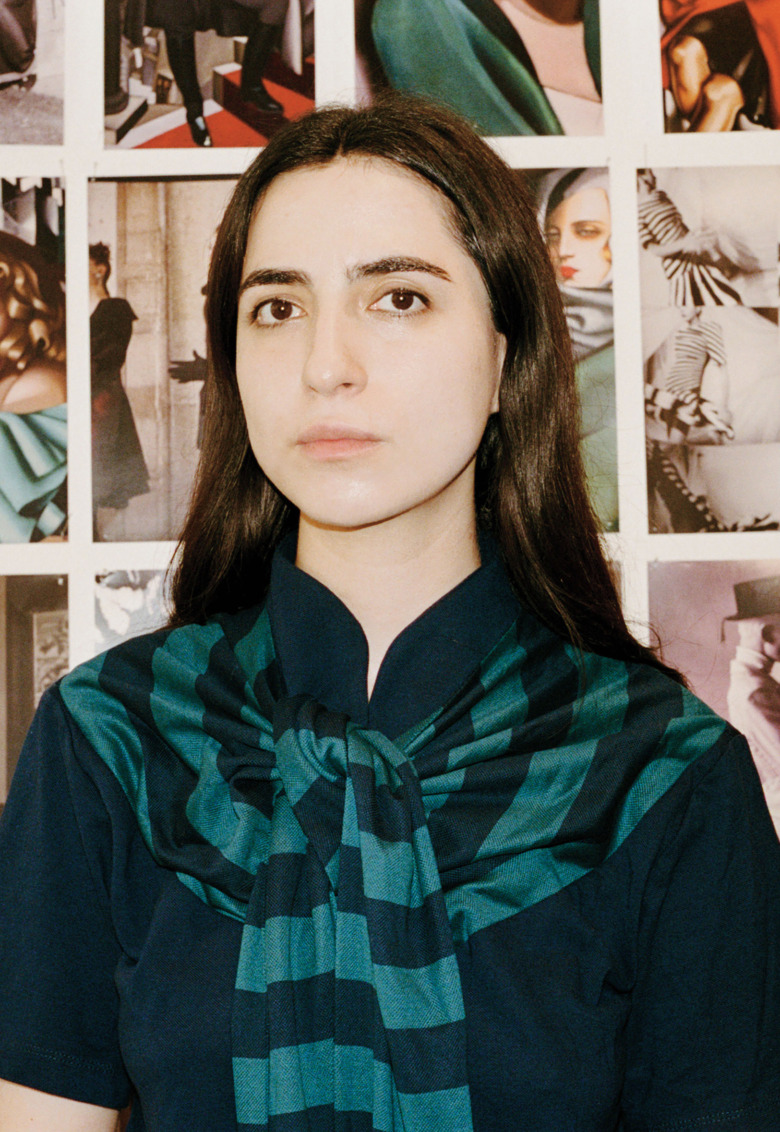
“Surreal” is the best way to describe Fidan Novruzova’s current mood. In June, the designer learnt she’d been selected as one of this year’s ANDAM Grand Prize finalists, among other in-demand labels like Pauline Dujancourt, Zomer and EgonLab. Ultimately, Marie AdamLeenaerdt won the €300,000 award, but Novruzova was just happy to be recognised among such esteemed nominees. That sense of wonder has shaped the past few years of her career. “I’m not using the word because it’s the obvious thing to say,” she says, dressed in a striped top from her F/W26 line, from her office in the Marais. “[But] it really is quite surreal, because I’ve only been in Paris for two years.”
It isn’t the first time the Moldova-raised designer has found herself at the centre of one of fashion’s biggest accolades. Two years ago, she was nominated for the LVMH Prize, another highlight in her six years of spearheading her eponymous brand. “The prize is one of the highest stamps of approval you can receive in Paris,” she says. During the ANDAM journey, she reflected on being selected as a finalist with Zomer designer Danial Aitouganov. “We’ve known each other for almost 10 years, and reconnected when I moved here,” she says of their friendship. “You revisit all the milestones. It’s a beautiful moment, actually, and quite therapeutic to acknowledge all the great things we’ve done.”
The milestones are certainly worth celebrating, and span back to her days at Central Saint Martins as a fashion and marketing student. Novruzova credits her time at the fashion school as the gateway to her exploration of subversive silhouettes, adding that carving a lane for herself was equal parts liberating and daunting. “The first year felt like anxiety central, and then in the second year, I started finding my voice more,” she explains. It was during that period that she developed an affinity for creating accessories. “I wanted to explore flooring as storage through bag designs, because my grandmother used to store precious things under parquet flooring.” Novruzova’s lino-covered bag earned her recognition from British-Cypriot designer Hussein Chalayan. “It was such a proud moment! I still have the bag,” she grins. For someone who, as a teen, spent hours building looks on Lookbook.nu and wore melange sandals with kitten heels to school, her knack for reimagining accessories feels almost inevitable.
A year after graduating, Novruzova launched her brand, anchored by knee-high square-toe leather boots with an ombré, weathered finish. The Iman and Havva boots became ubiquitous, worn by Dua Lipa, FKA Twigs and Bella Hadid. Meanwhile, perennial cool girl Chloë Sevigny has repeatedly co-signed the label’s ready-to-wear, sporting everything from a black and white lace-trimmed jacket and skirt set at a screening of Lypsinka: Toxic Femininity, a short film she directed in 2024, to a buttery leather jacket on a press tour.
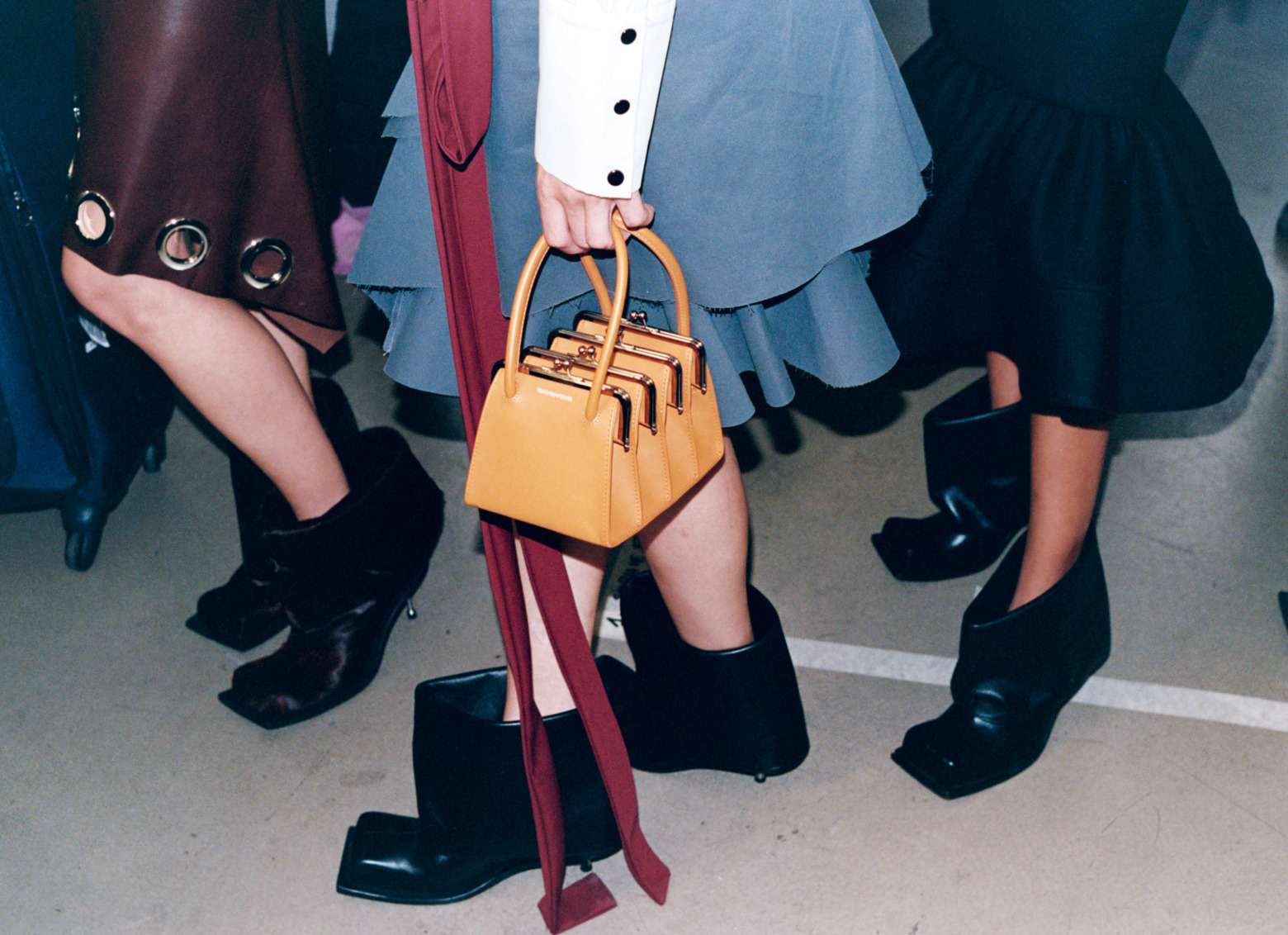
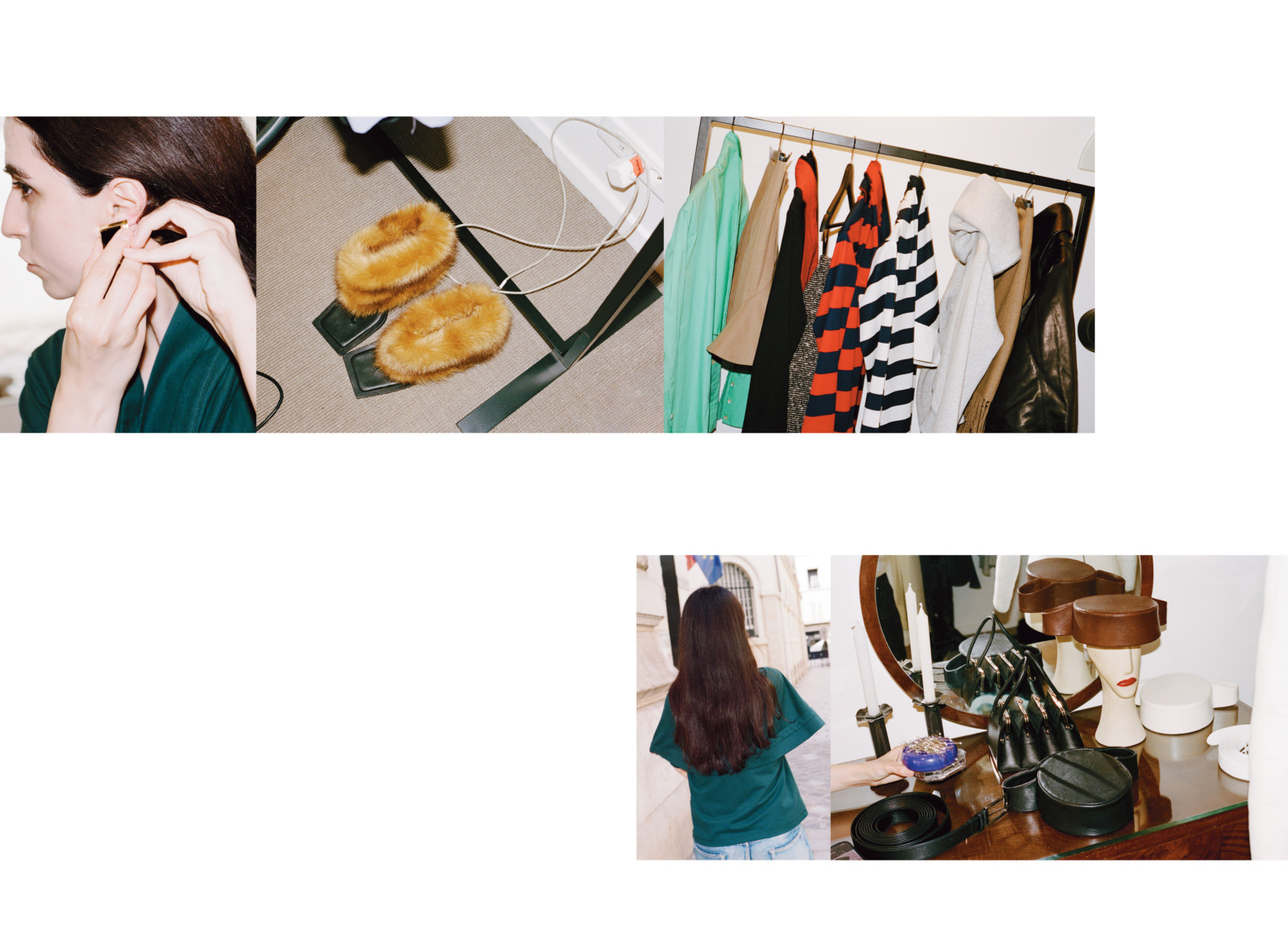
While her chunky boots are the cornerstone of the brand, the real appeal of Novruzova’s clothing all boils down to the visionary designer’s distinctive cuts and silhouettes. Merging feminine details with a futuristic flair, she creates designs that are instantly recognisable yet seamlessly slot into the everyday wardrobe: shorts finished with bows at the hem, jackets fastened with asymmetric buttoning, exaggerated collars and ruffled or bubbled hems. Her clothes appear as though they’re made to be worn in an alternate future, yet their familiar finishes make for timeless, thought-provoking collections.
2024 marked a turning point, as Novruzova made the permanent move to Paris and began presenting collections in her showroom. That was until last September when she staged her inaugural runway show, aptly titled Le Début, which coincided with her 10th collection. La Mondaine, the F/W26 presentation, followed as a study of colour, tinged with influences from the ’20s and ’80s. Still, even 11 collections in, there was a clear flexing of new sartorial muscles and fresh references. “[Polish painter] Tamara de Lempicka’s colour palette drew me to her work – particularly as an artist in Paris in the 1920s. She’d paint affluent women of the time.” Novruzova related to a striking image that Lempicka painted of a muse that resembled the artist – drawing a parallel with how designers see their muses. “As a female designer, you view things through the prism of yourself one way or another, to avoid disconnect.”
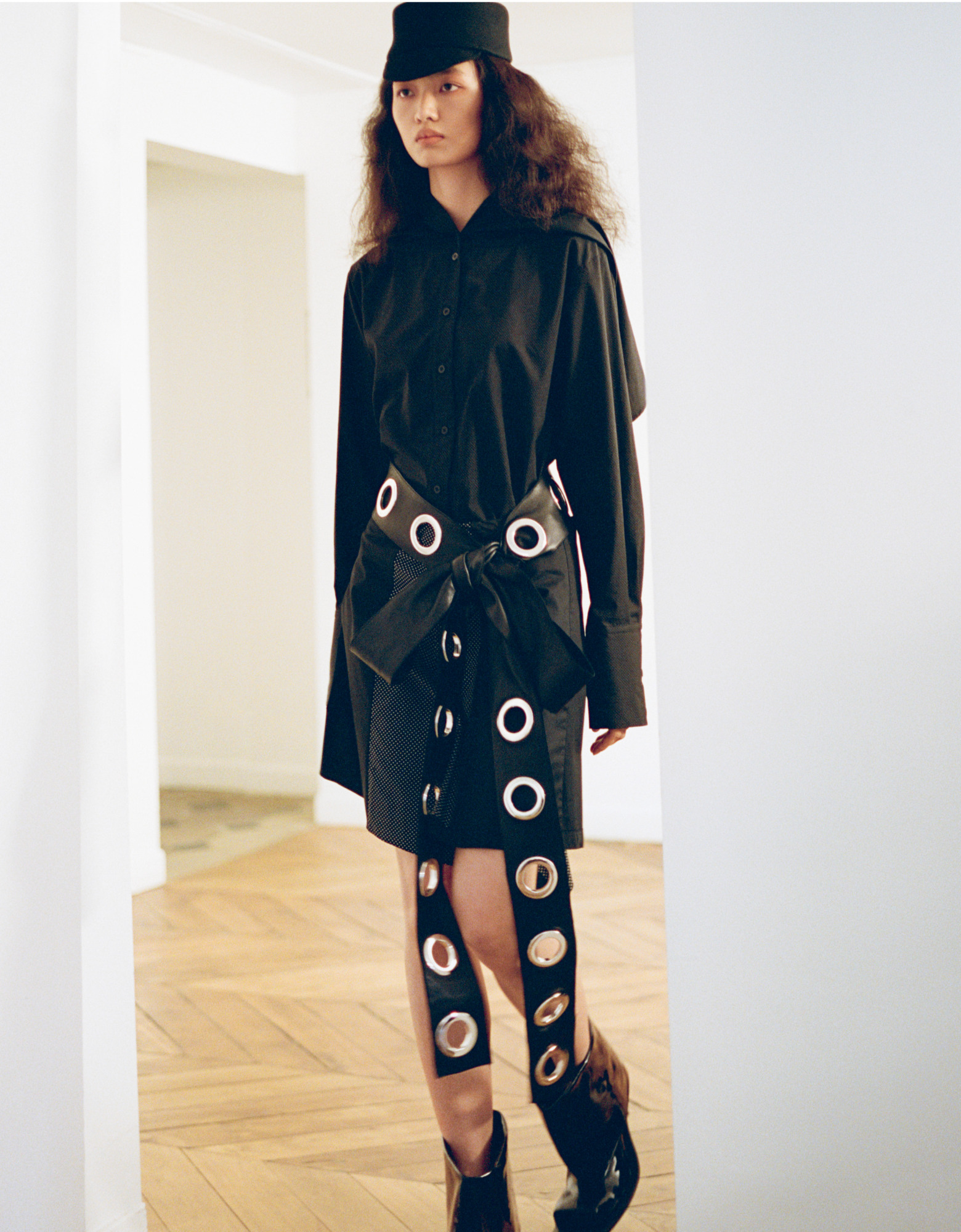
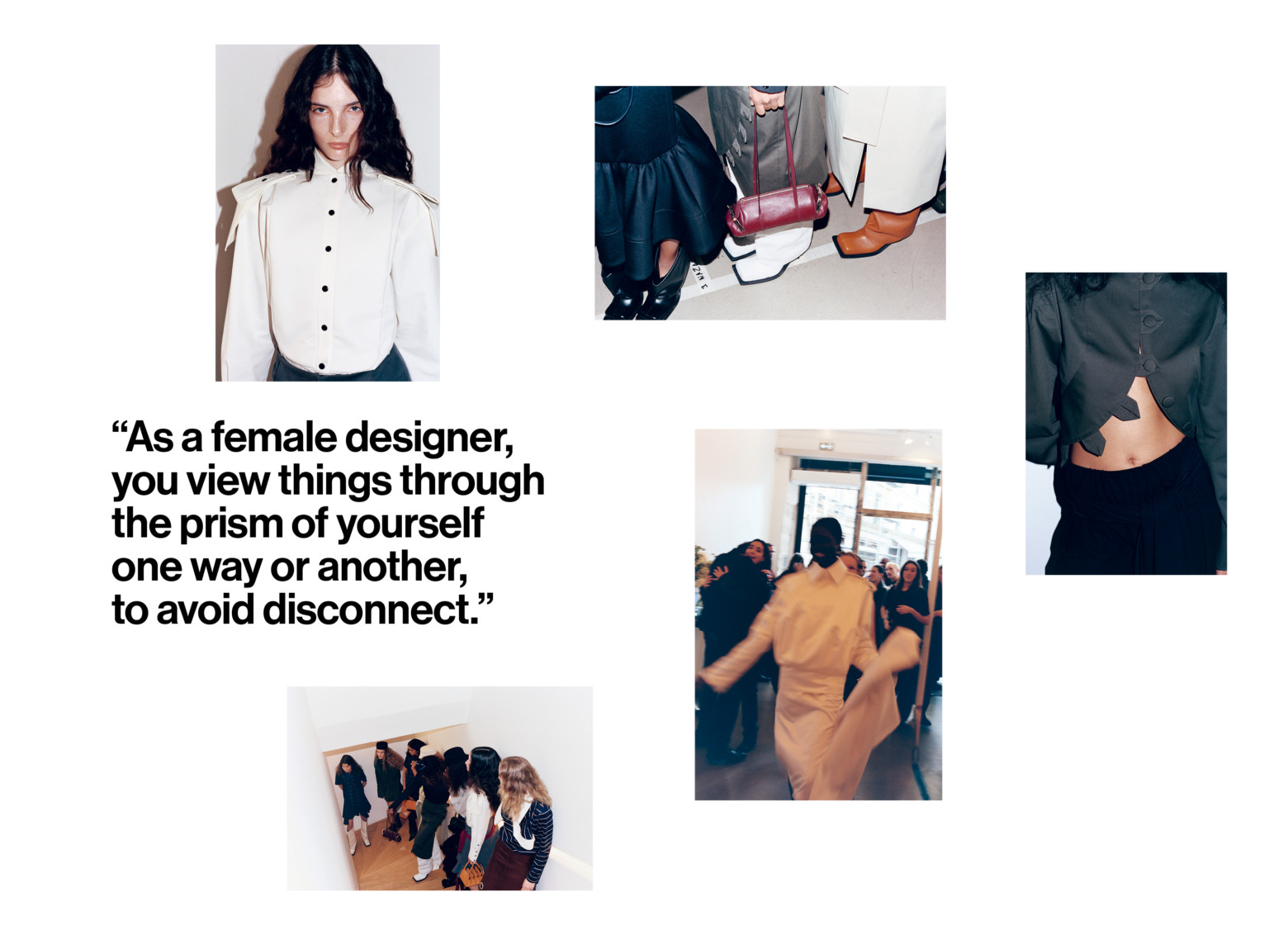
Bouclé fishtail skirts flounced against structured jackets, while fringing on skirts and bags complemented striped tops with deconstructed collars flung across the shoulder. Fisherman equestrian boots also entered the mix and Novruzova’s trademark angular boots made a cameo. Will there be more updated footwear? She remains coy, only sharing that she’s “working on other things”.
Novruzova often highlights the women who champion the brand online, and recent archive sales have given her an opportunity to meet her community. “There was a client who bought a two-piece set, and she sat next to Kirsten Dunst during afternoon tea,” she says, giddily recalling the story. “Kirsten started a conversation with her just because she liked the outfit!” A loyal following, community and nostalgia have become central to Novruzova’s world, and a continued spotlight on powerful women is something “you’ll see more of in S/S27”, she mentions.
Since launching the label, Novruzova’s Instagram bio has read, ‘Redefining the notion of modern nostalgia’. Is it still an accurate portrayal of the brand? “I wrote that in October 2020, and I’ve never changed it because it’s a motif I keep returning to,” she says. Even years later, with prestigious nominations to her name, Novruzova remains unwavering in her ethos. “There are always references from the past, but it belongs to today. I look at it sometimes and I think: it’s that. It’s still that.”